This store requires javascript to be enabled for some features to work correctly.


REDUCTION OF INFLAMMATORY PROCESSES IN THE SKIN IN PSORIASIS AND ALLERGIC DERMATITIS
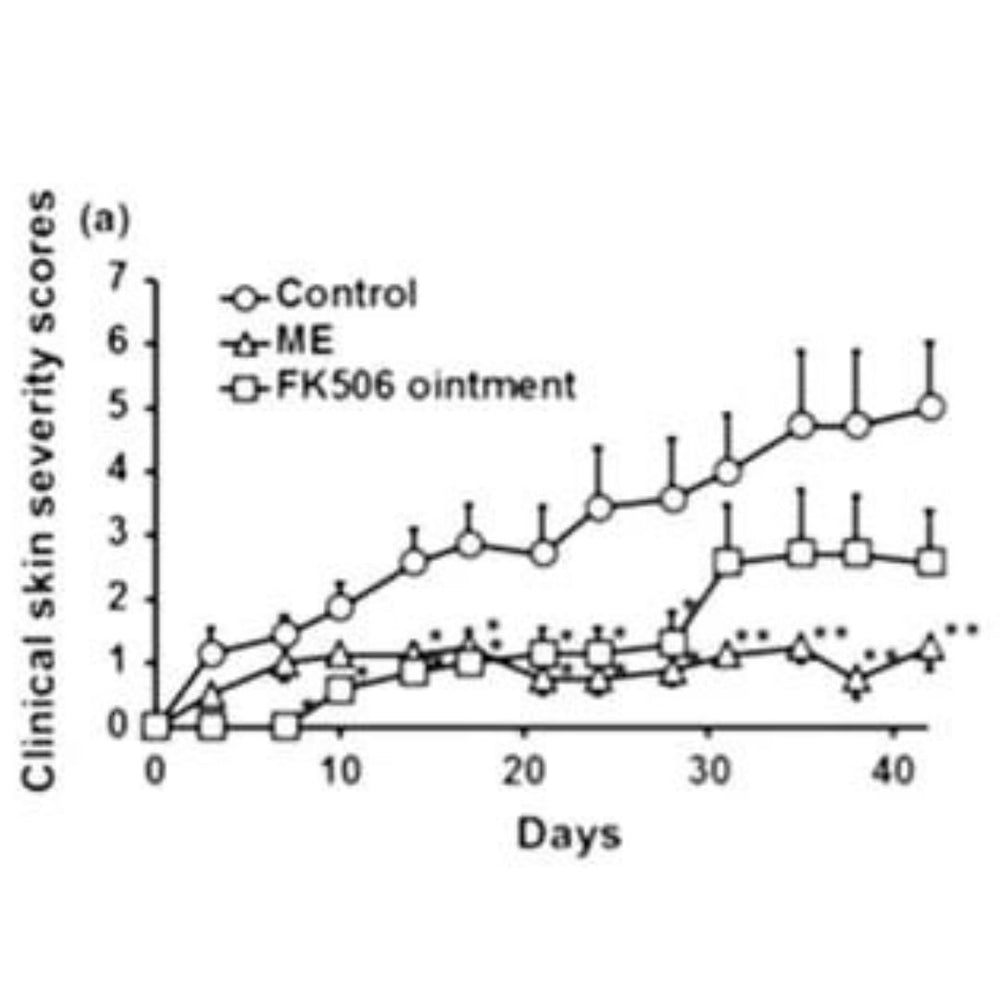
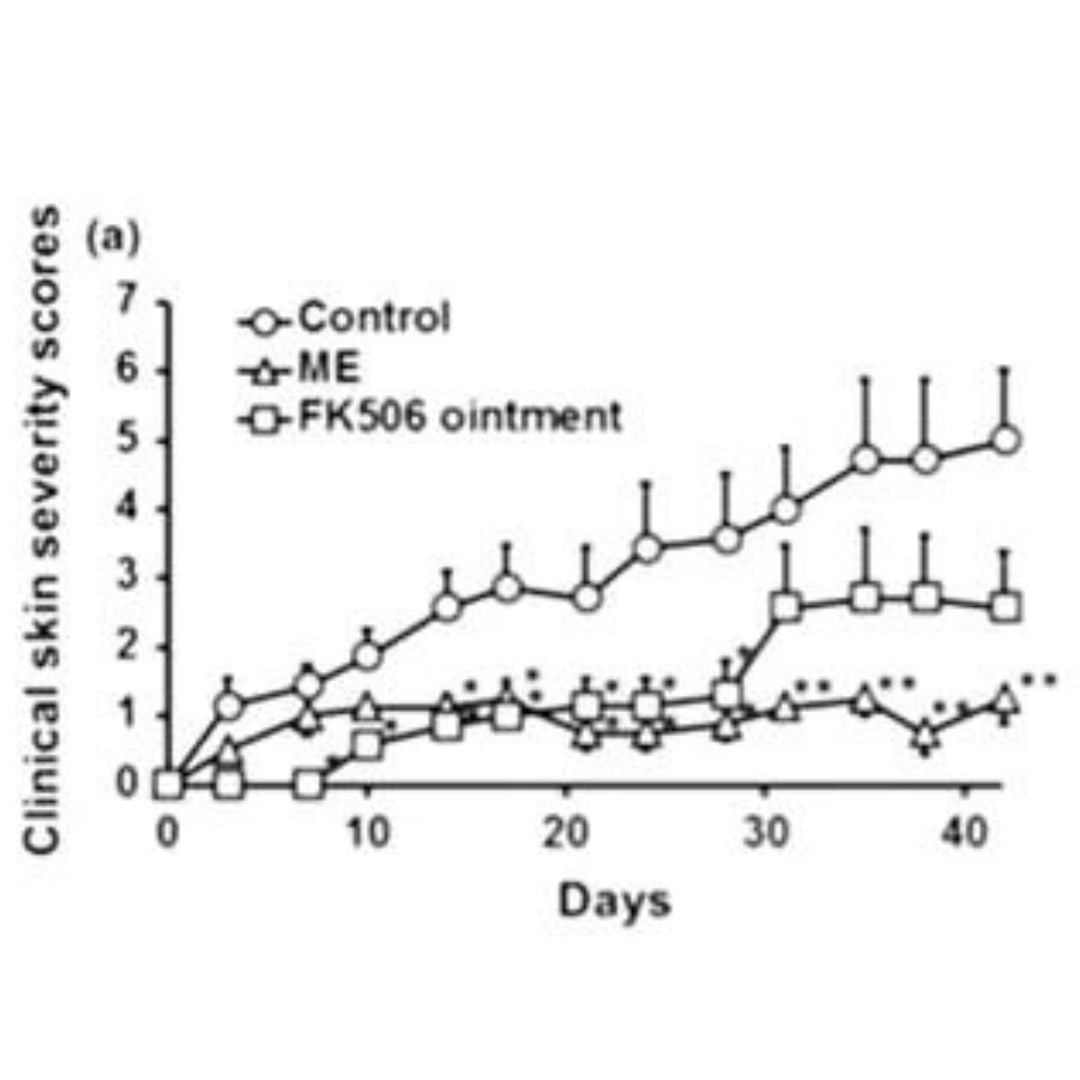
A graphic representation of a study in which the addition of antioxidants to the diet of mice significantly reduced the inflamed process in the skin in inflammatory conditions such as psoriasis and allergic dermatitis.
The graph shows the rate of formation of pathologically altered epidermal cells that lead to peeling in allergic dermatitis and the formation of scales in psoriasis. It shows the effect of antioxidants on significantly reducing inflammation and keratinization of the skin in allergic dermatitis and psoriasis.
Circle:
the upper curve shows the events in the skin when there was no treatment.
Square:
the middle curve shows the effect of anti-inflammatory ointments applied topically.
Triangle:
the lower curve shows how significantly the disease processes in the skin slow down when antioxidants appear in the blood. The effect of antioxidants increases over time.
Graphs c and d show how significantly the frequency of skin scratching per 20 minutes and the duration of scratching per 20 minutes due to skin itching decreased after the use of antioxidants.
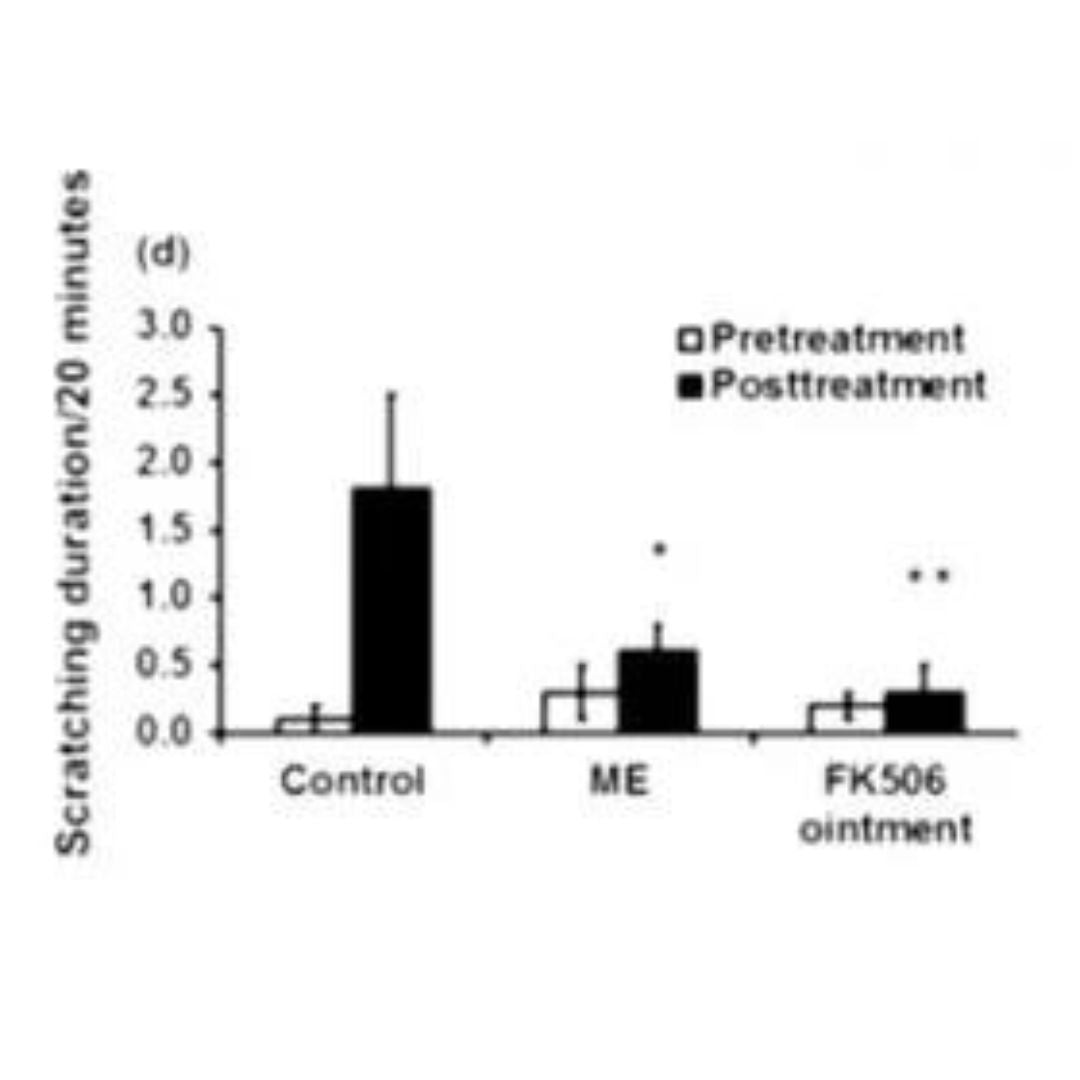
It thus proves that skin itching is significantly alleviated, which, in addition to aesthetic changes, is the biggest problem with these chronic skin diseases.
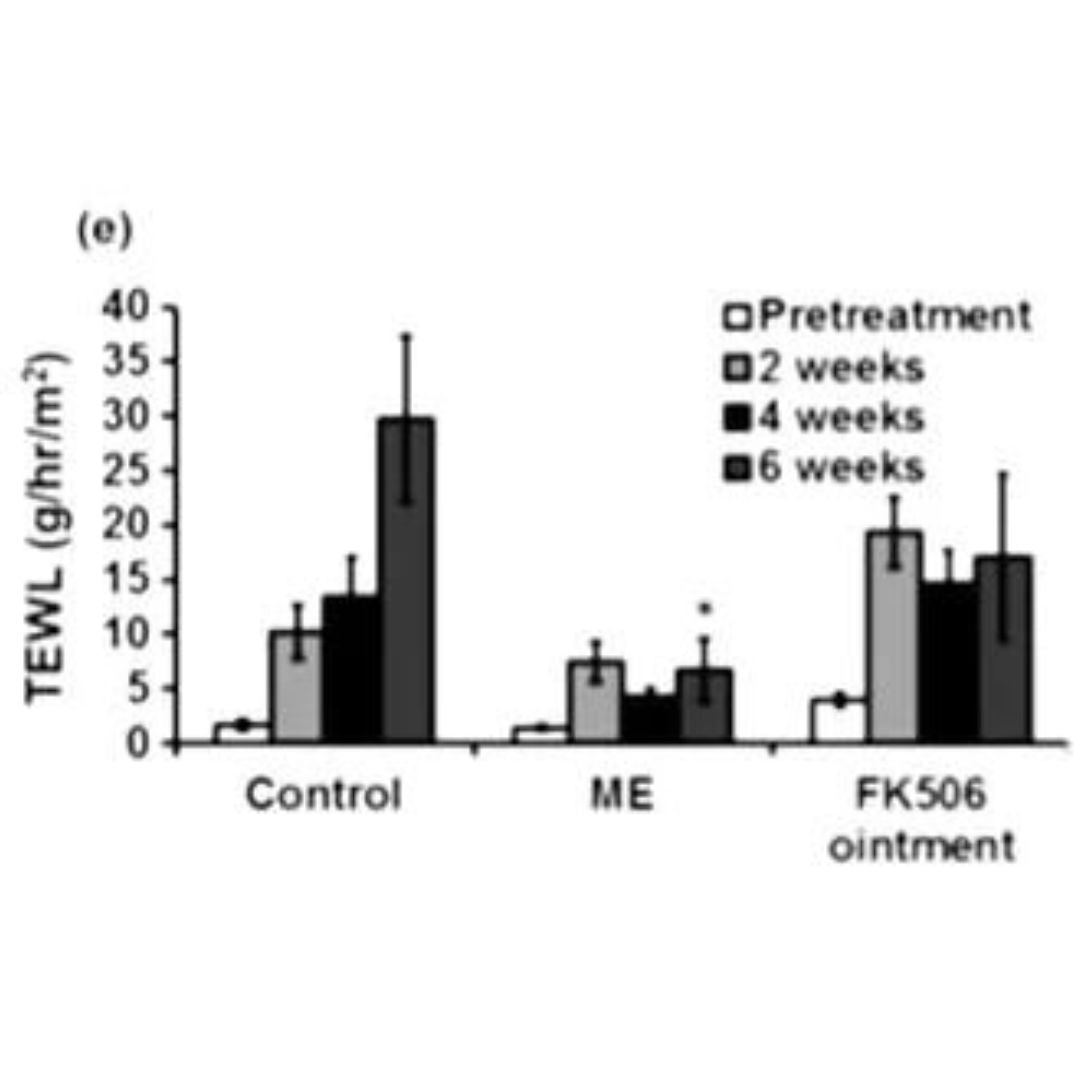
The graph shows the passage of fluid from inflamed skin cells, which leads to the formation of skin swelling. When the inflammation subsides, the passage of water from skin cells also significantly decreases or stops.
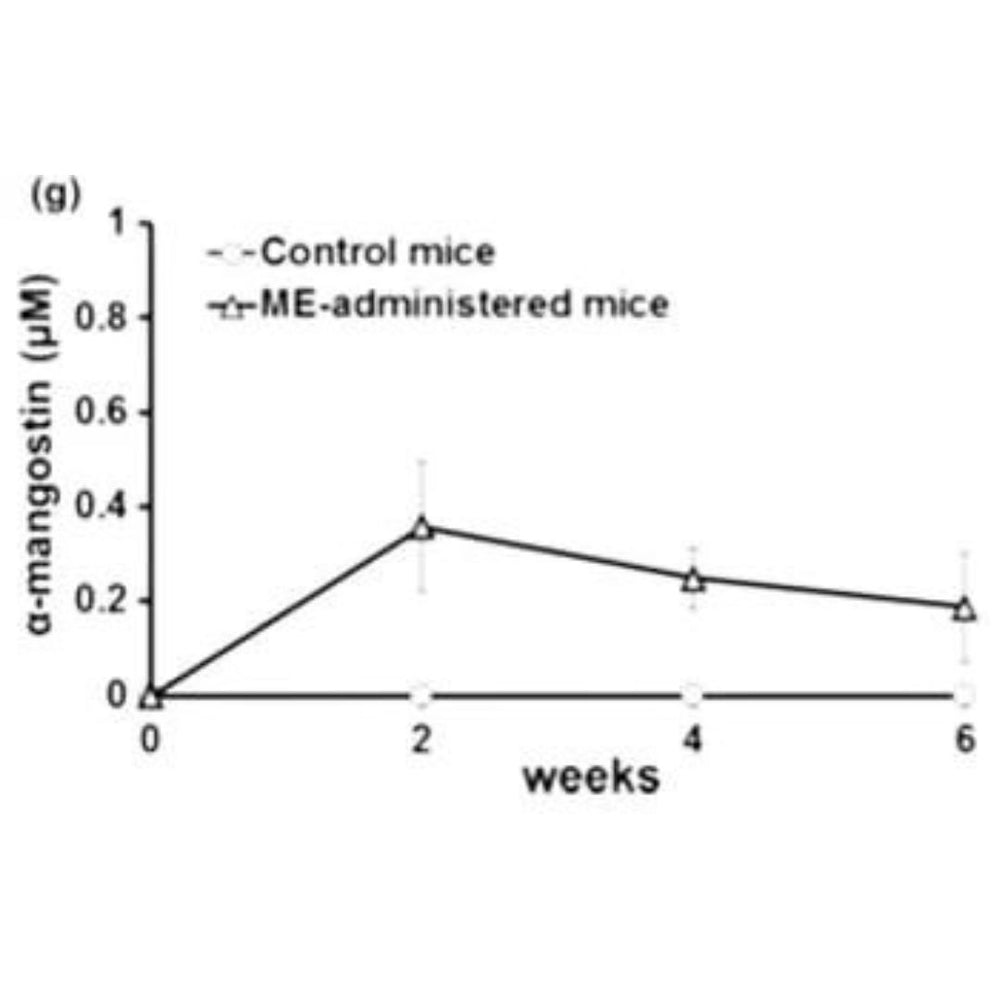
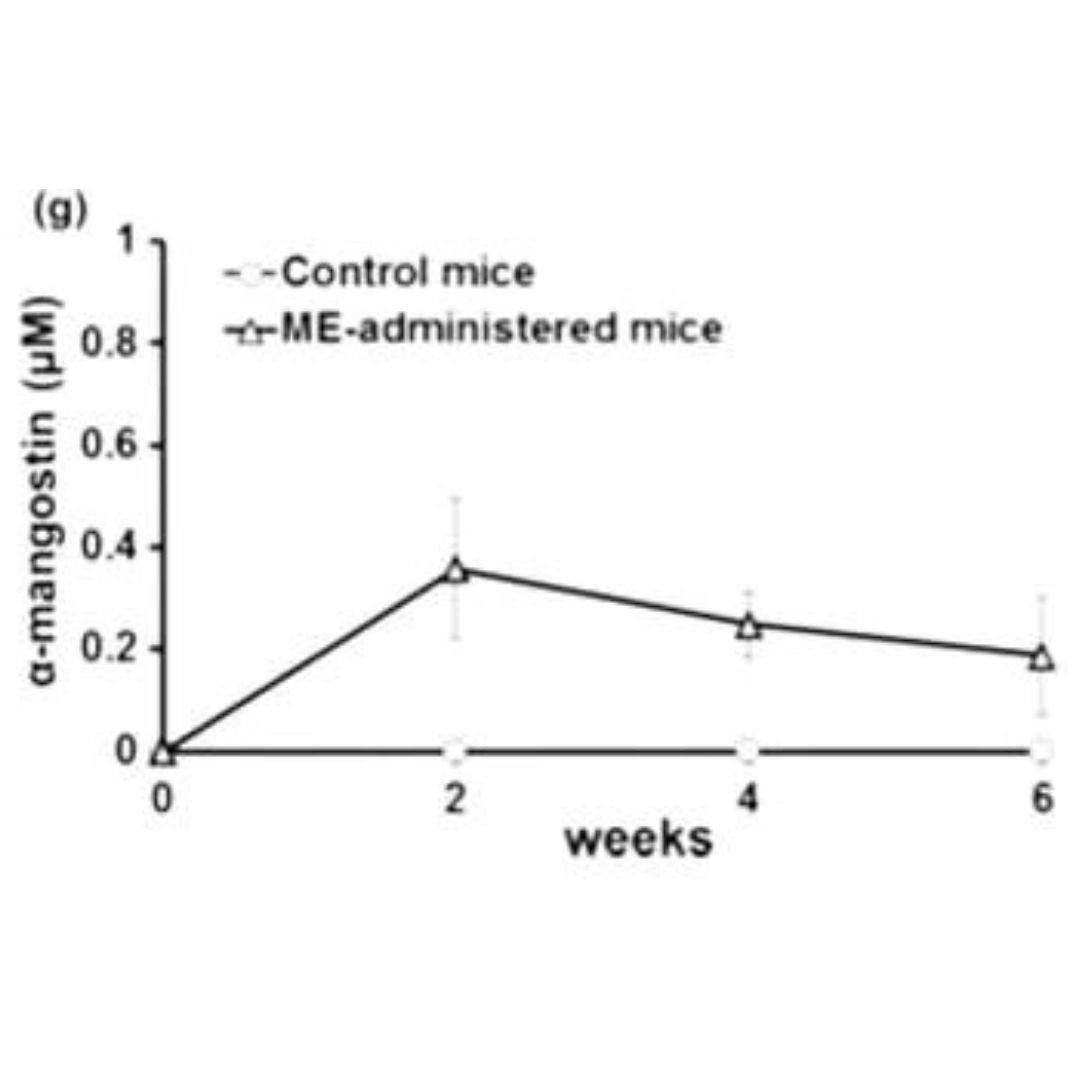
The graph shows the amount of one of the more potent antioxidants in the blood after consumption. It proves the good absorption of antioxidants into the bloodstream, which is a prerequisite for their effective action.
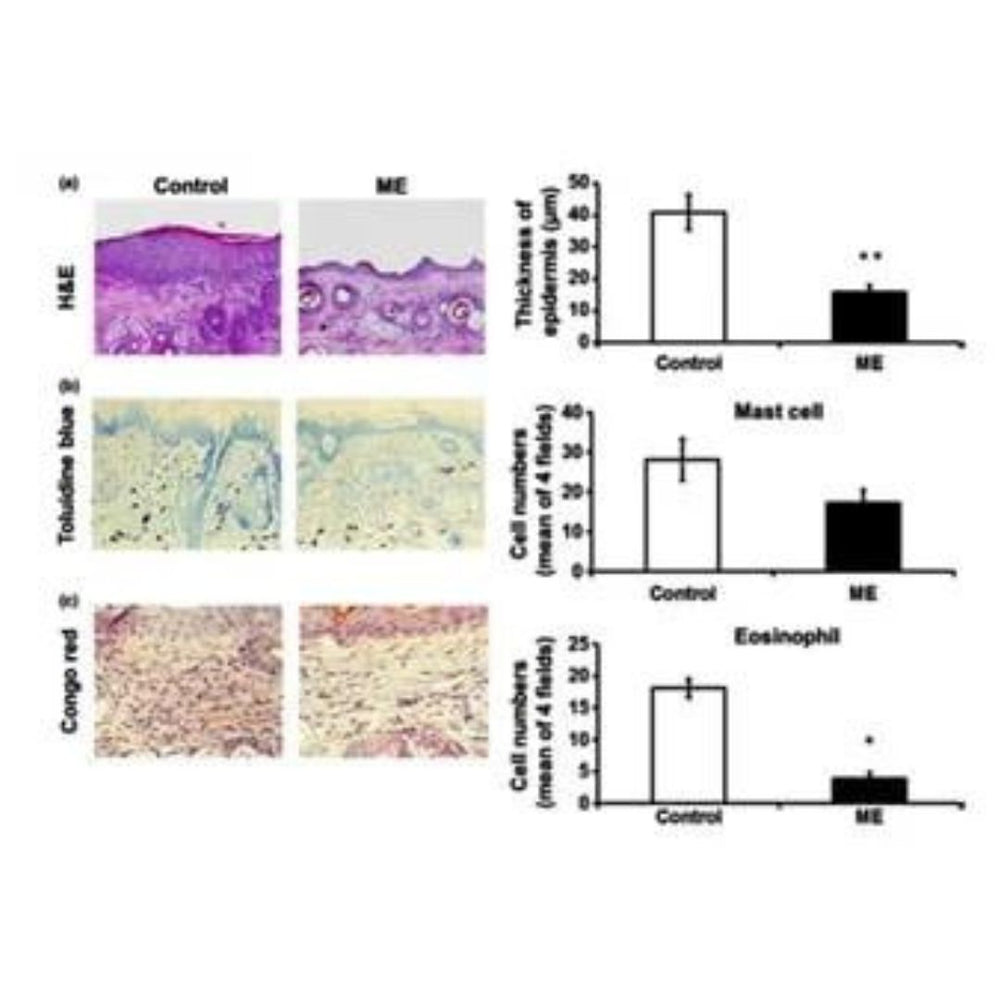
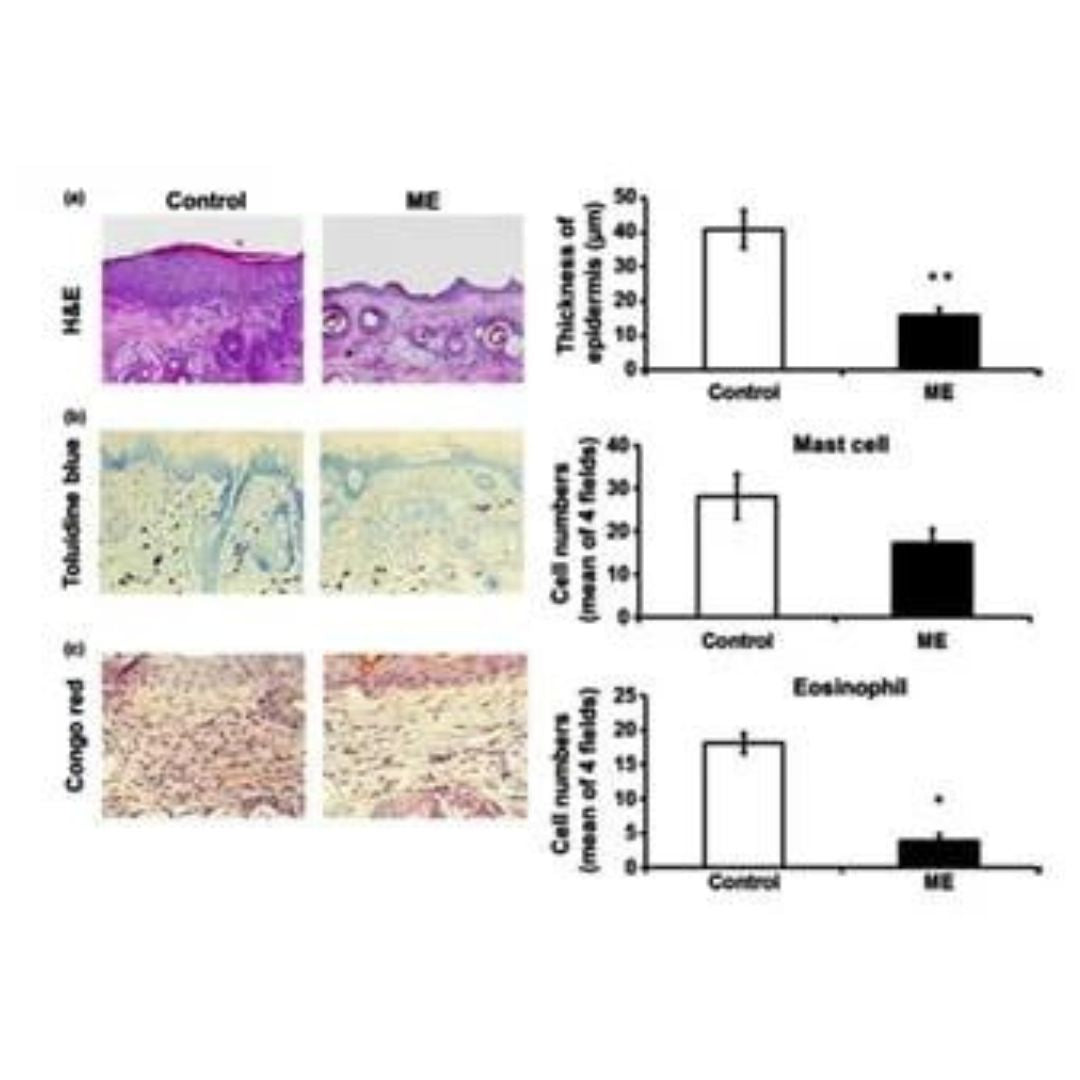
Images a, b, and c show a histological view (skin examination under a microscope) of how antioxidants significantly reduce the number of inflammatory cells in the skin in allergic dermatitis and psoriasis.
On the left are skin preparations from a mouse that did not consume antioxidants, and on the right, from a mouse that regularly consumed antioxidants. The small, darker stained cells (different dyes for different inflammatory cells) are inflammatory cells, which are visibly reduced in the skin after consuming antioxidants.
The reduction of inflammatory cells, in turn, means a calming of the symptoms of psoriasis and allergic dermatitis.
Sources: J Dermatol. 2013 Oct;40(10):786-96. doi: 10.1111/1346-8138.12250. Epub 2013 Aug 21. Suppressive effect of mangosteen rind extract on the spontaneous development of atopic dermatitis in NC/Tnd mice. Higuchi H1, Tanaka A, Nishikawa S, Oida K, Matsuda A, Jung K, Amagai Y, Matsuda H. Recent advances in atopic dermatitis and psoriasis: genetic background, barrier function, and therapeutic targets. Miyagaki T1, Sugaya M2.

